
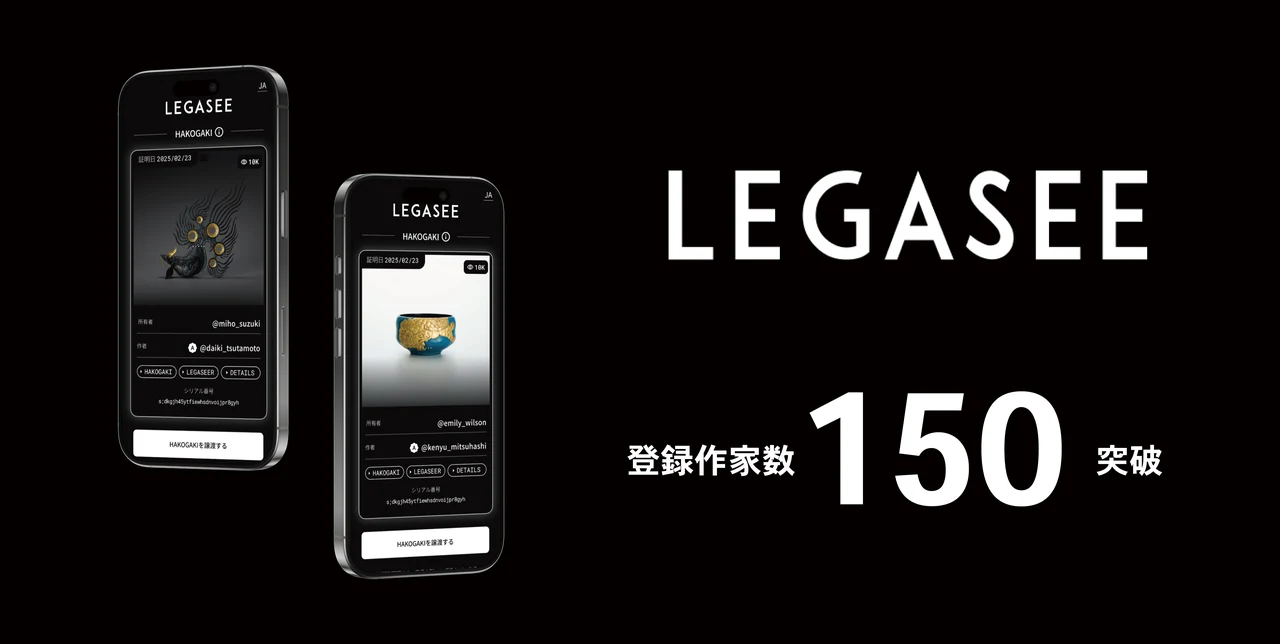
On March 1, 2026, we officially launched the invitation-only craft marketplace LEGASEE (https://thelegasee.com). We are also pleased to announce that more than 150 artists are registered (as of February 28, 2026).
LEGASEE proposes a shift from “value preserved as provenance” to “provenance that creates value.” A work’s story does not end with its creation: who sees it, chooses it, owns it and passes it on all become part of its history. LEGASEE issues a digital certificate of authenticity, HAKOGAKI, for every work, allowing stories of viewing and ownership to become part of that history. Future plans include phased expansion into solo exhibitions and other offline settings, participation by artists and users abroad, and secondary transactions through resale and transfer.
News at a glance
① Concept: Provenance creates value. Craft does not end with the maker; its owners and their stories add the final dimension of value.
② Registered artists: More than 150 (as of February 28, 2026), carefully selected and reviewed according to our criteria.
③ HAKOGAKI: A digital certificate of authenticity is issued for every work. At purchase, information about the owner (buyer) and other details are stored alongside the work’s information.
④ SEE COUNT: View counts appear on work pages. Viewing a work also becomes part of its history and provenance.
⑤ Future expansion: Offline use in solo exhibitions and other settings / Secondary transactions (resale and transfer) / International expansion (artists and users abroad)
⑥ Early user invitations: Applications accepted until Tuesday, March 31, 2026 (limited invitations available)
From Wednesday, April 1, 2026, new registrations require an invitation from an existing user.
■ Background: Japan’s hakogaki box inscriptions and the value of ownership history
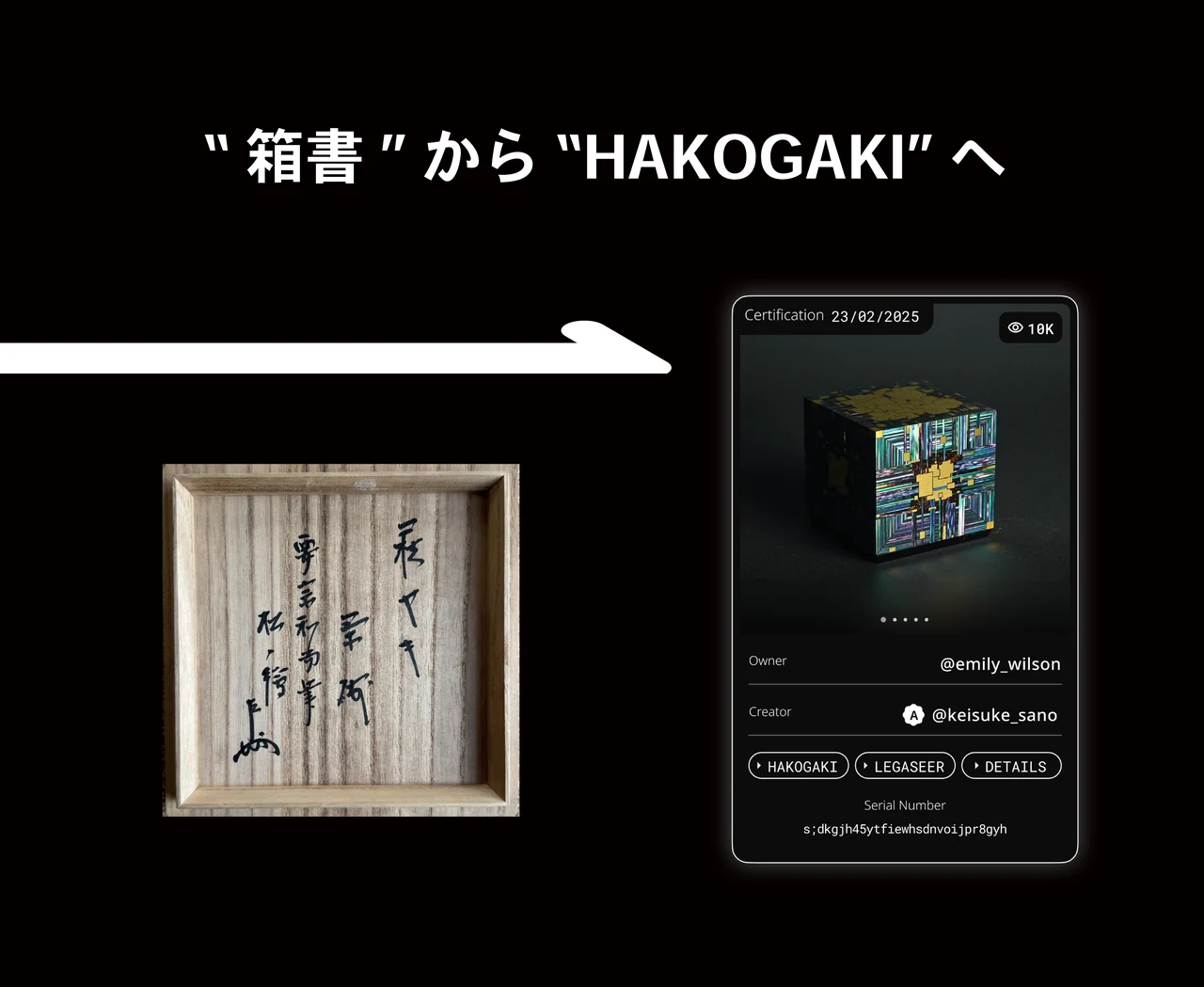
In the world of tea ceremony, utensils are kept in boxes bearing hakogaki inscriptions, often inside the lid, that record the maker, name, origins and history of transmission. These inscriptions do more than describe an object. Its provenance—whose discerning eye it met, how it was owned and how it passed between owners—has nurtured its value and trust. LEGASEE brings this thinking into the present, creating an experience in which time spent with an owner is inscribed in a work’s history and becomes valuable in itself.
■ Experiences on LEGASEE, online and at solo exhibitions
LEGASEE is more than a place to buy works. It is a marketplace where you can participate in provenance and witness value growing.
·View: The SEE COUNT on each work page makes viewing visible as part of the work’s history.
·Discover: Explore carefully selected, one-of-a-kind traditional and artistic craft in an invitation-only community.
·Explore deeper: View works alongside their background stories, enriching the experience both online and in offline settings such as solo exhibitions.
·Buy: On purchase, receive a HAKOGAKI digital certificate of authenticity, with records accumulating as part of the work’s history and provenance.
·Carry forward: Planned secondary transactions aim to make the process of passing works on an ongoing part of their provenance.
■ About the HAKOGAKI digital certificate of authenticity
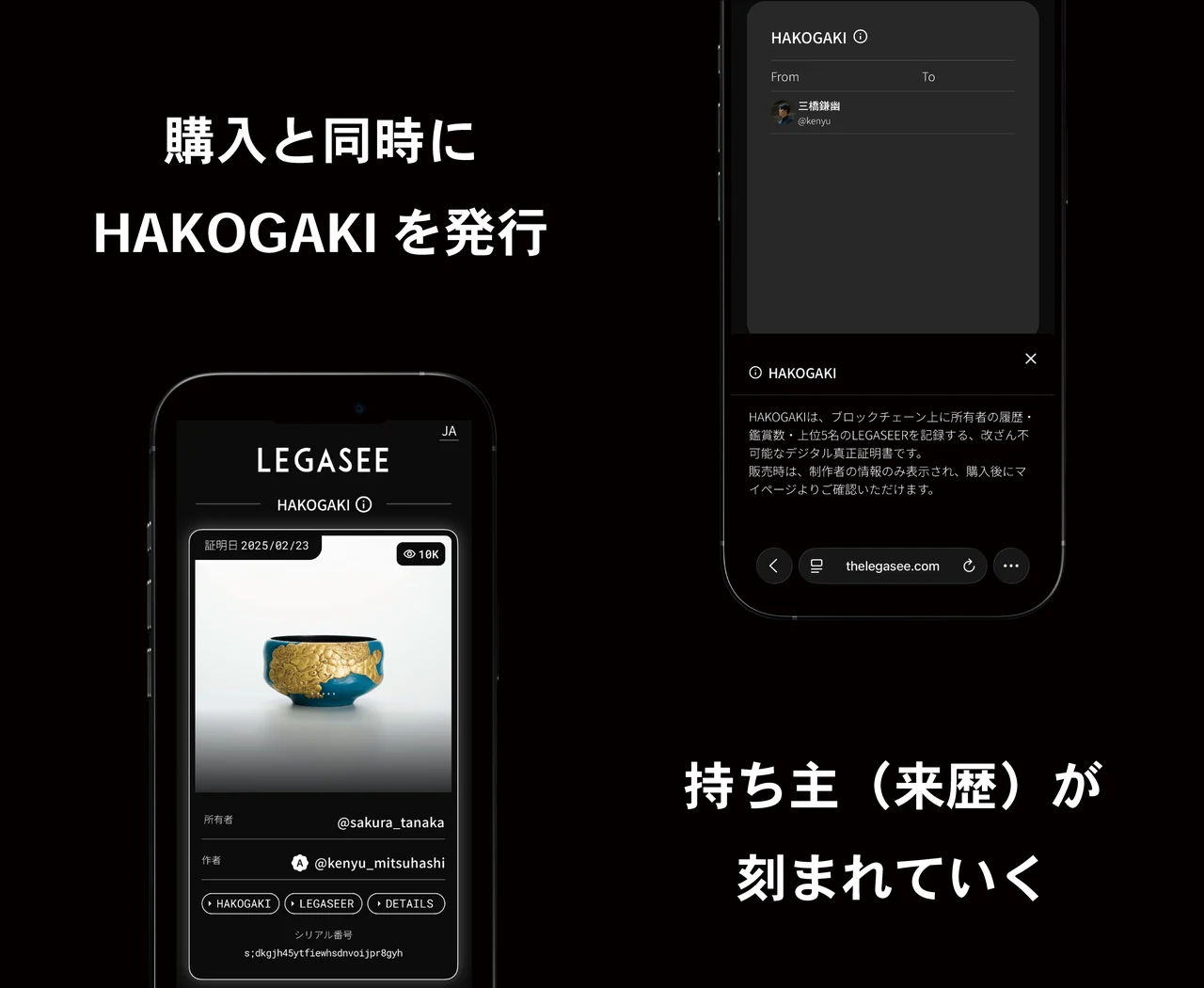
LEGASEE issues a HAKOGAKI digital certificate of authenticity for every work. When a work is purchased, its view count, buyer information and other details are saved with the work’s information, adding the owner’s choice to its history and provenance. HAKOGAKI records are stored using blockchain technology, accumulating as the work’s history in a form that is difficult to tamper with.
To protect privacy, we operate in accordance with applicable policies, including generally not recording directly identifying personal information on-chain.
■ About SEE COUNT viewing figures
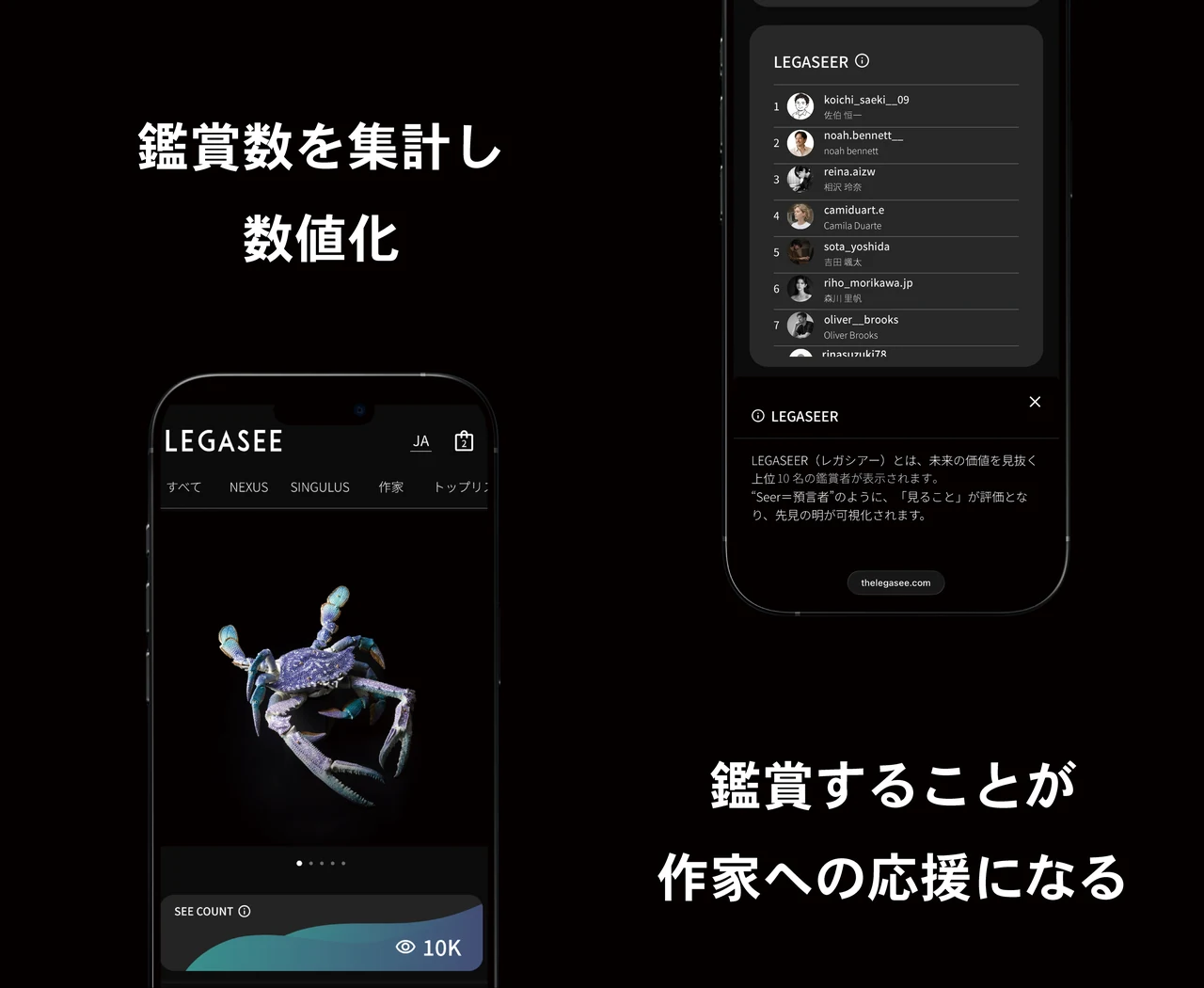
LEGASEE displays a work’s viewing figures as SEE COUNT on its page. By making viewing visible, the fact that a work is being seen becomes part of its history. We aim for this to encourage artists and support a cycle in which works are discussed and passed on.
■ Featured registered artists
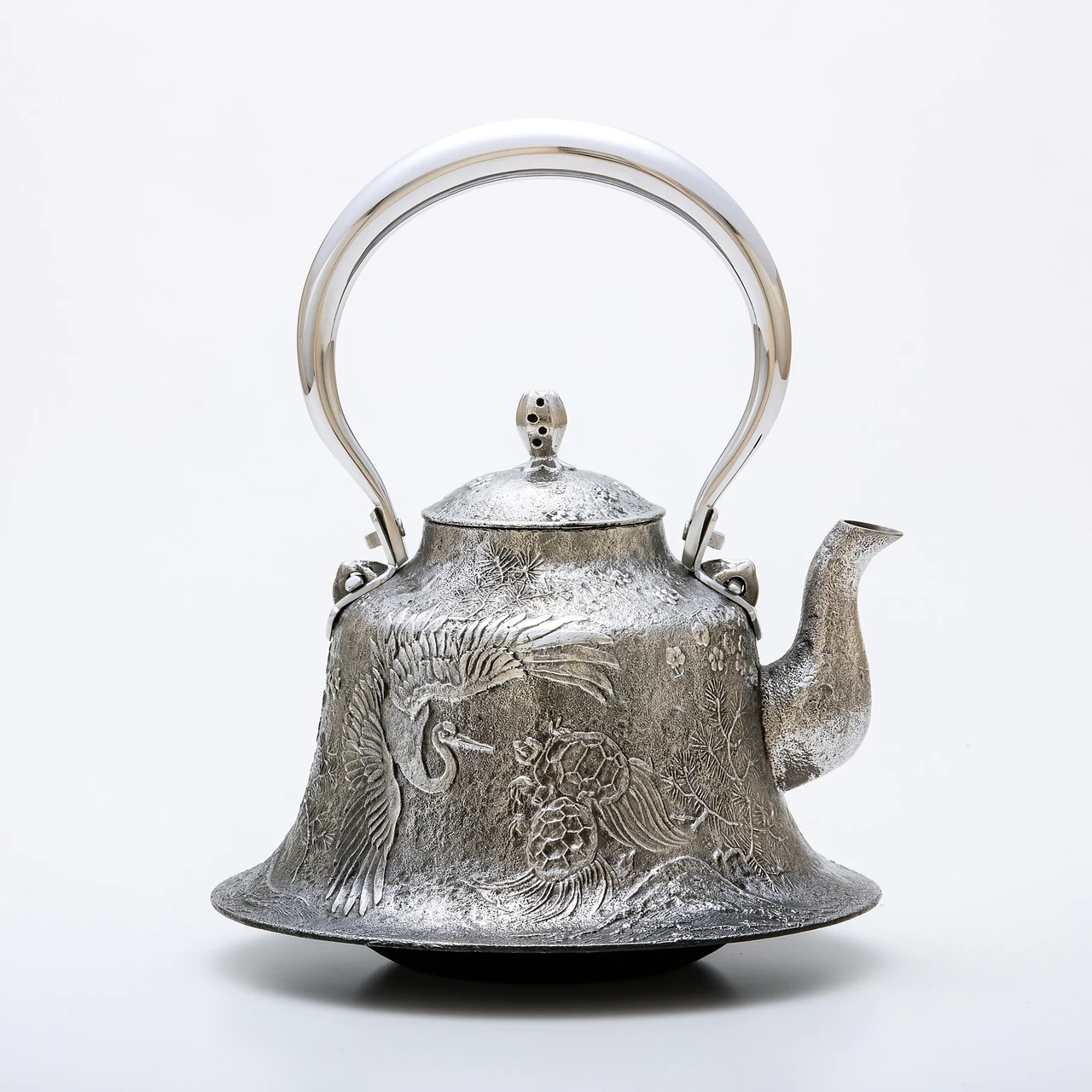
Morihisa Suzuki (Nambu ironware, 16th generation / Shigeo) | Metal casting
Head of the Suzuki family, whose metal casters have served the former Nambu domain since 1625 (Kan’ei 2). After studying metal casting at Tokyo University of the Arts and being selected for the LEXUS NEW TAKUMI PROJECT, he assumed the 16th-generation name in 2023 and held a commemorative exhibition at Nihombashi Mitsukoshi. He brings a fresh design perspective to tradition.
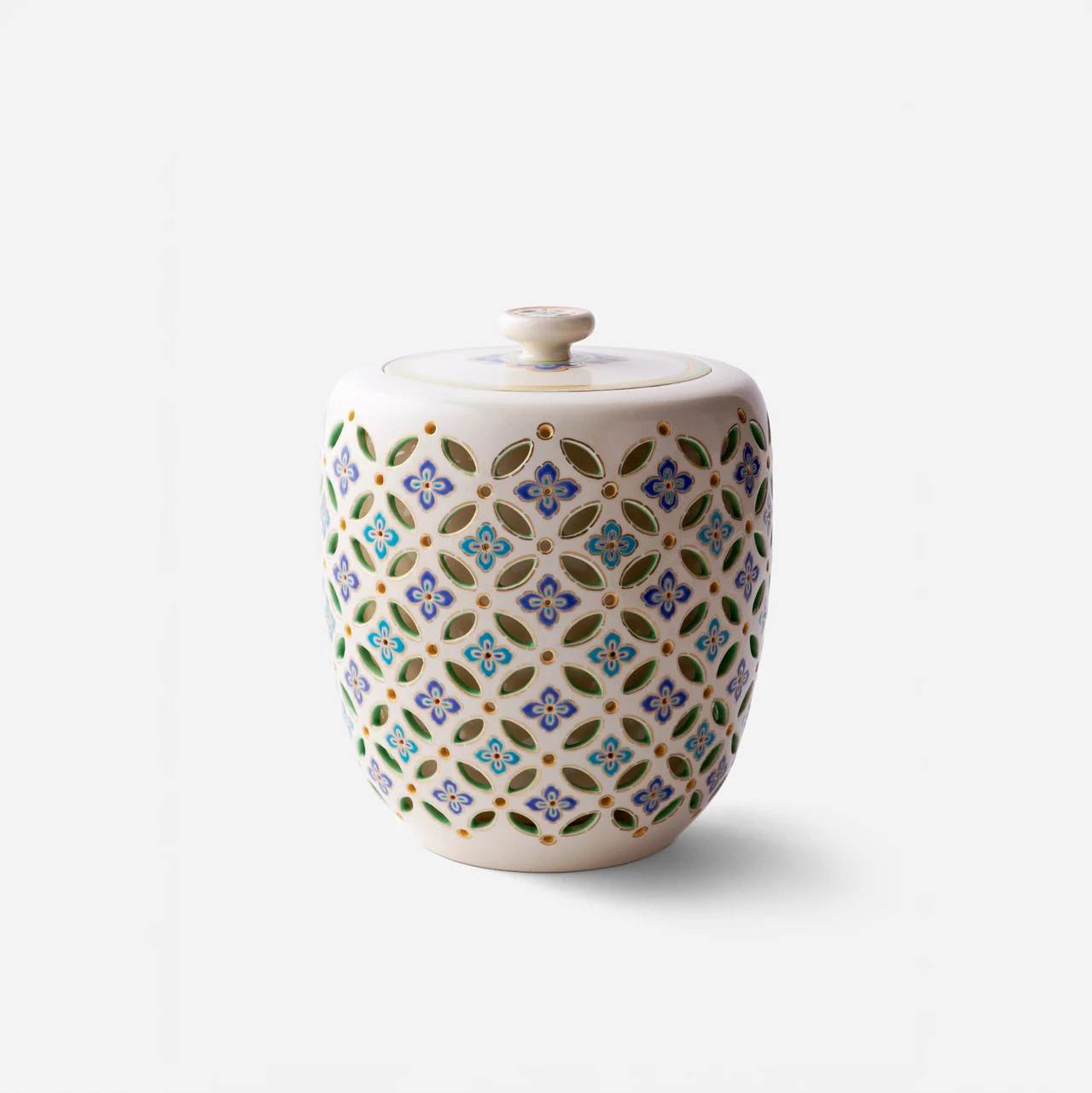
Kosai Miyagawa (Makuzu ware, 7th generation) | Kyoto ware & tea ceramics
He carries on the Makuzu family’s Kosai name, passed down since the Edo period, and undertook intensive ceramic training after studies including time at the University of Michigan. A student of Koraizaemon Saka, the 12th-generation Hagi potter, he creates tea utensils with a broad range of Kyoto ware techniques, from blue-and-white and Shonzui to Kōchi, red overglaze, and work in the styles of Ninsei and Kenzan.
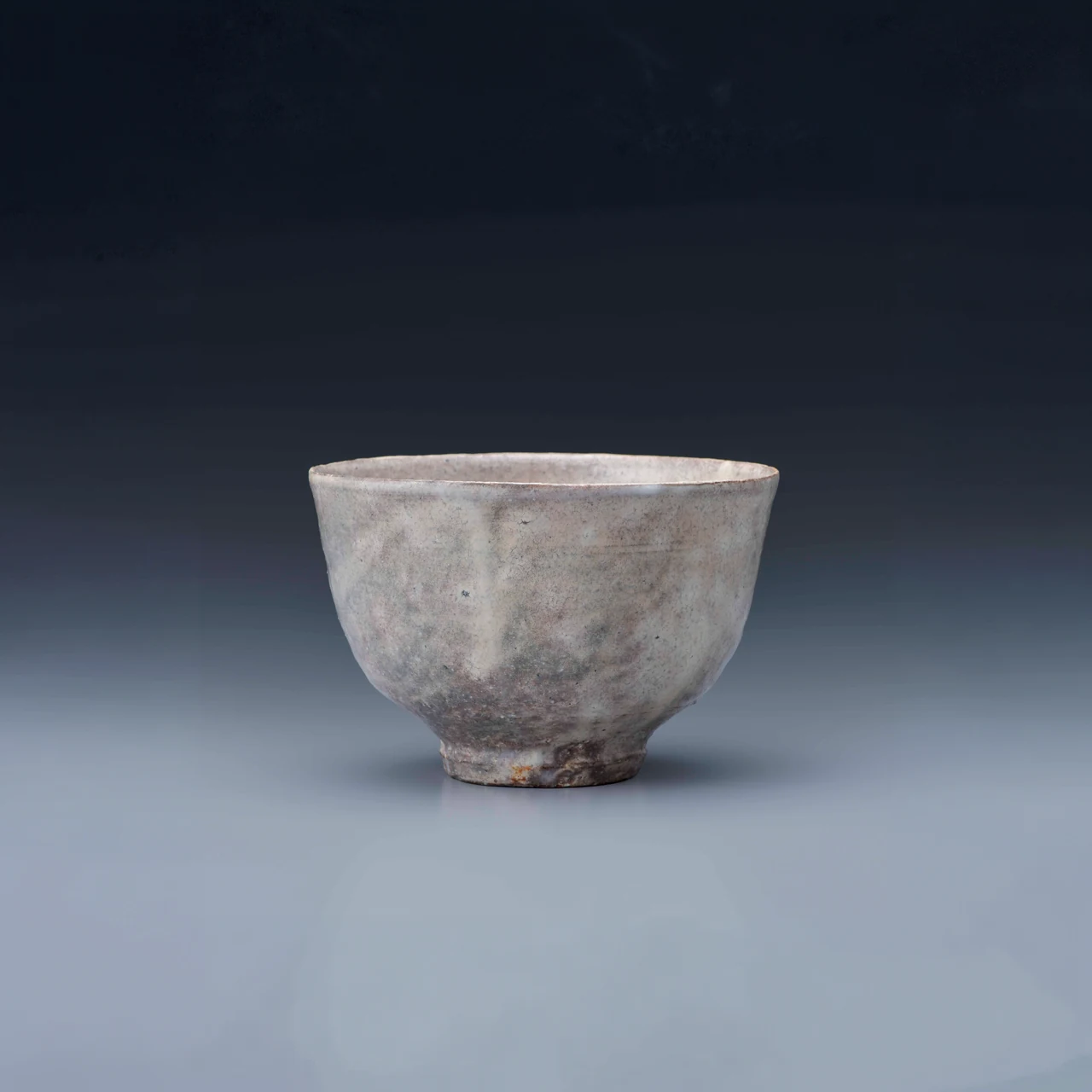
Shinbei Sakakura (16th generation) | Hagi ware, Fukawa-Hagi
He inherited a Fukawa-Hagi kiln with around 360 years of history and assumed the 16th-generation name in 2024. Bringing the sense of form honed through sculpture at Tokyo University of the Arts into clay, he uses both traditional Hagi clay and clay he collects himself. From tea ceramics to sculptural objects, his works draw out the expressive character of earth.
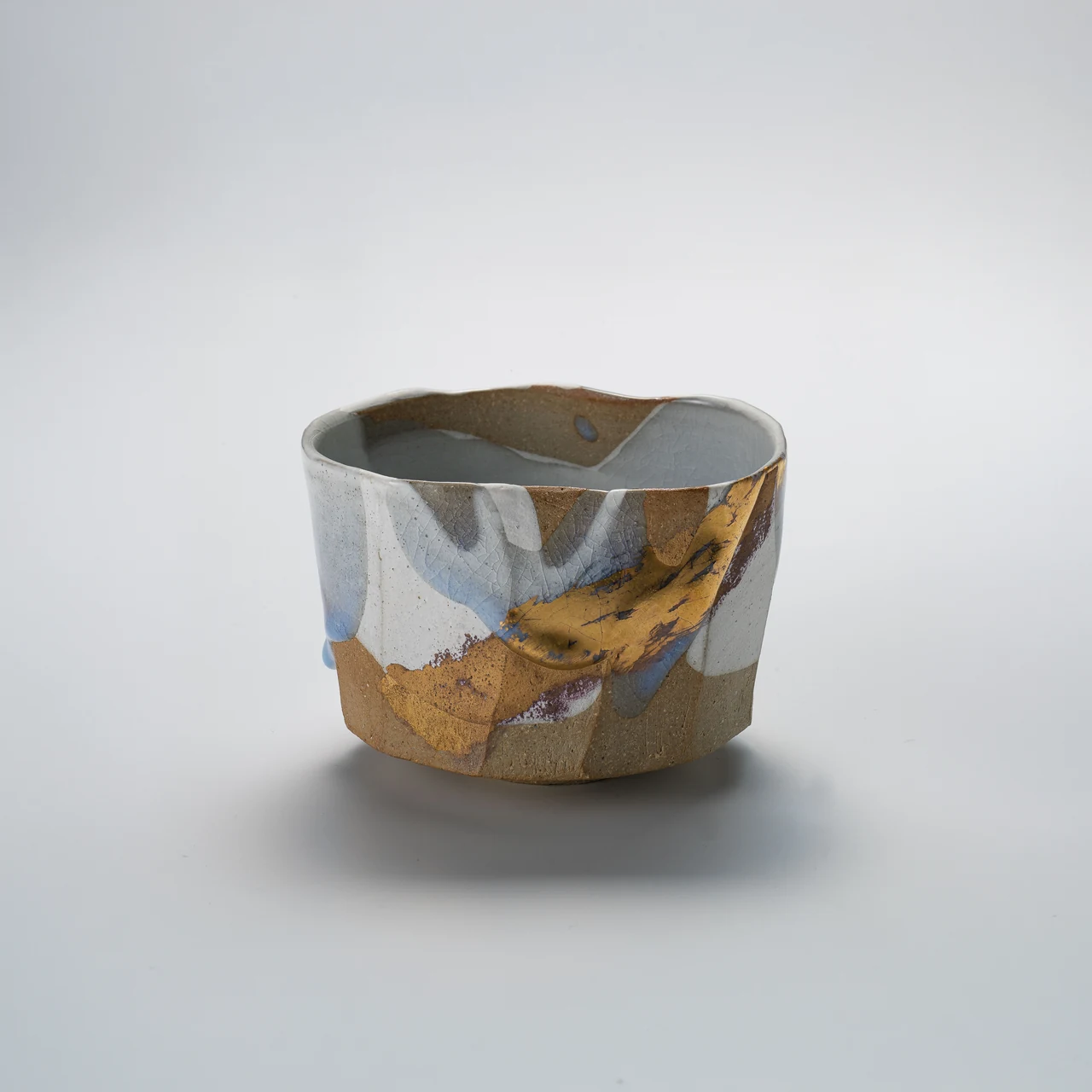
Hosai Matsubayashi (16th generation) | Asahi ware (Uji)
In 2016, he became the 16th-generation head of Asahi ware, a kiln founded in the Keichō era around 400 years ago and one of the Seven Kilns of Enshū. Guided by Kobori Enshū’s kirei-sabi aesthetic, he continually renews tea utensils for the present, from traditional Kase and Benikase finishes to Geppaku overglaze. His experience includes a residency at the Leach Pottery in Britain and exhibitions and tea gatherings at the Guimet Museum in Paris.
Shuji Nakagawa (Nakagawa Woodcraft, 3rd generation) | Woodcraft & wooden buckets
He trained under his father Kiyotsugu Nakagawa, a holder of Important Intangible Cultural Property, and leads the Hira studio in Shiga. His official champagne cooler for Dom Pérignon, his selection as a LOEWE 2017 finalist, and the V&A Museum’s acquisition of his ancient-cedar KI-OKE stool have helped bring wooden-bucket craftsmanship into the language of global design.
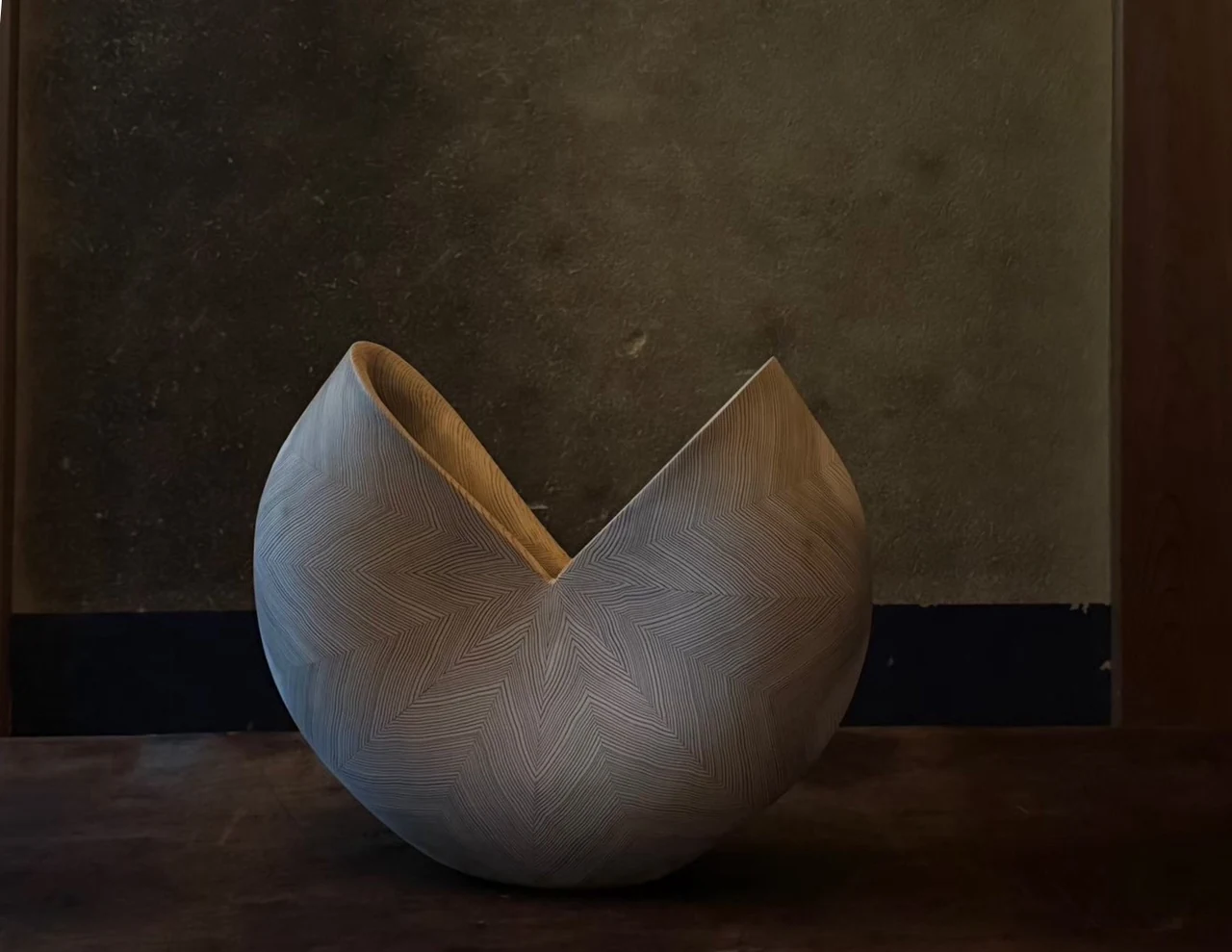
Hyoetsu Miki (4th generation, Keigo) | Kyoto lacquerwork
After studying lacquerwork at Kyoto City University of Arts and honing his skills through specialist training in Kyoto and Kagawa, he assumed the fourth-generation Hyōetsu name in 2020. His many honors include the Kyoto City New Artist Award, the Kyoto Prefecture Cultural Encouragement Award and a Minister of Economy, Trade and Industry commendation (Encouragement Award). A full member of the Japan Kōgei Association, he continues to renew Kyoto lacquerwork through a contemporary aesthetic.
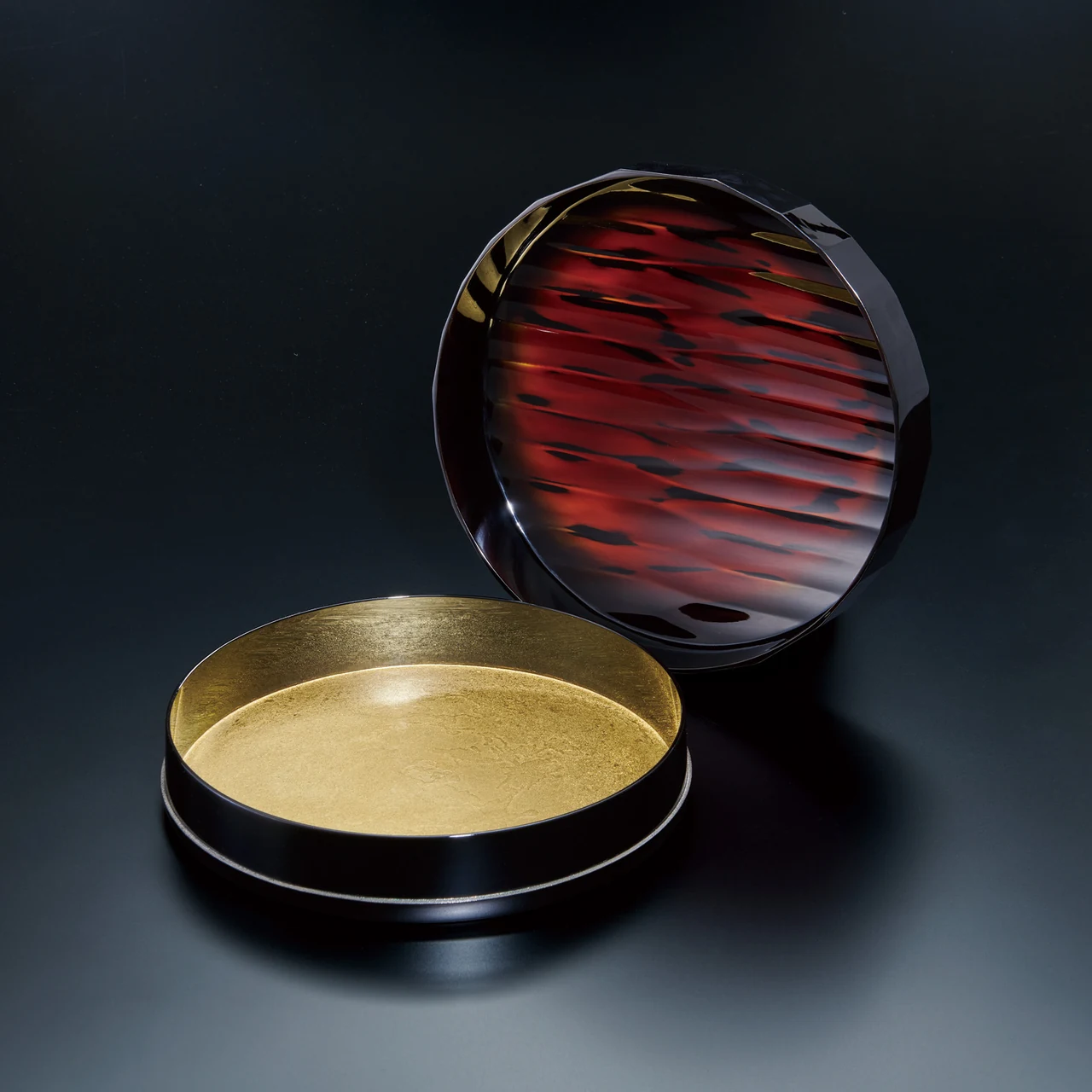
Kenyu Mitsuhashi (30th-generation heir to the Kamakura-bori tradition) | Kamakura-bori carved lacquerware (Niyodo)
Born into a lineage of Buddhist sculptors spanning around 800 years since the Kamakura period, he studied Zen at Kenchō-ji and received the artistic name Kenyu. His Kamakura-bori work ranges from Buddhist and tea utensils for temples and shrines to solo exhibitions in Paris. Through sacred offerings and selection for the LEXUS NEW TAKUMI PROJECT, he connects Kamakura-bori with the world as a contemporary craft.
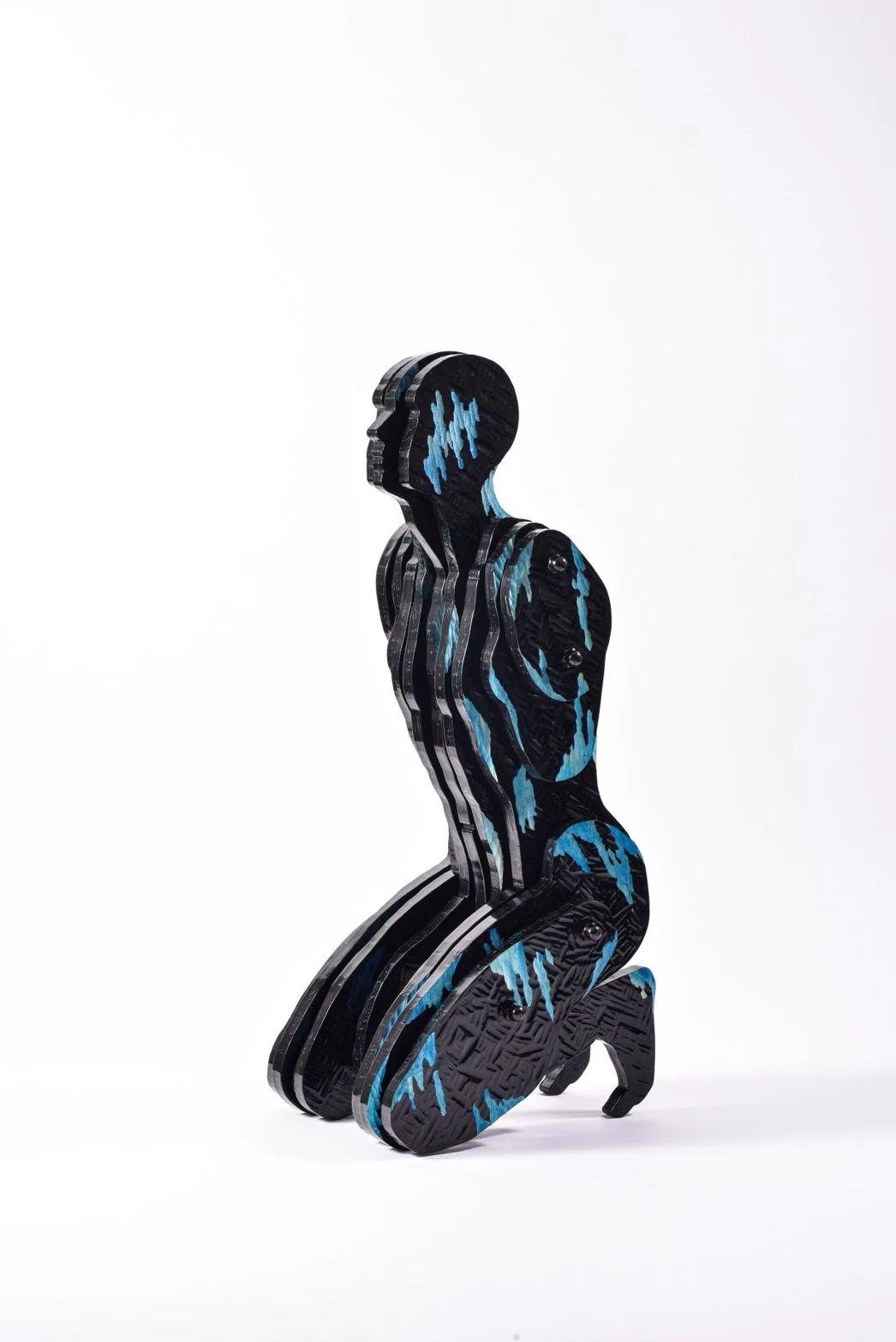
Tetsushi Nagano (Wazuku iron kettles, 3rd generation) | Tea-kettle making & metalwork
He makes tea-ceremony kettles from wazuku, a traditional Japanese iron, and regularly exhibits at the Japan Traditional Kōgei Exhibition as a full member of the Japan Kōgei Association. Rooted in traditional techniques such as horobiki mold shaping for sōgata casting and melting in a koshiki furnace, his contemporary forms pursue beauty in use.
■ What comes next: solo exhibitions, international expansion and secondary transactions
To extend the cycle in which provenance continues to create value, LEGASEE plans to introduce the following in stages.
· Use in solo exhibitions and other offline displays: connect the viewing experience with work pages, strengthening the paths through which a work’s history grows.
· International expansion (artists and users abroad): gradually broaden participation by artists and users outside Japan, creating a marketplace where provenance can generate value across borders.
· Secondary transactions (resale and transfer): planned features will support the passing on of works and a system that returns benefits from transactions to artists, working toward a world where transmission itself creates value.
Feature release dates and specifications may change.
■ Early user invitations (until Tuesday, March 31, 2026)
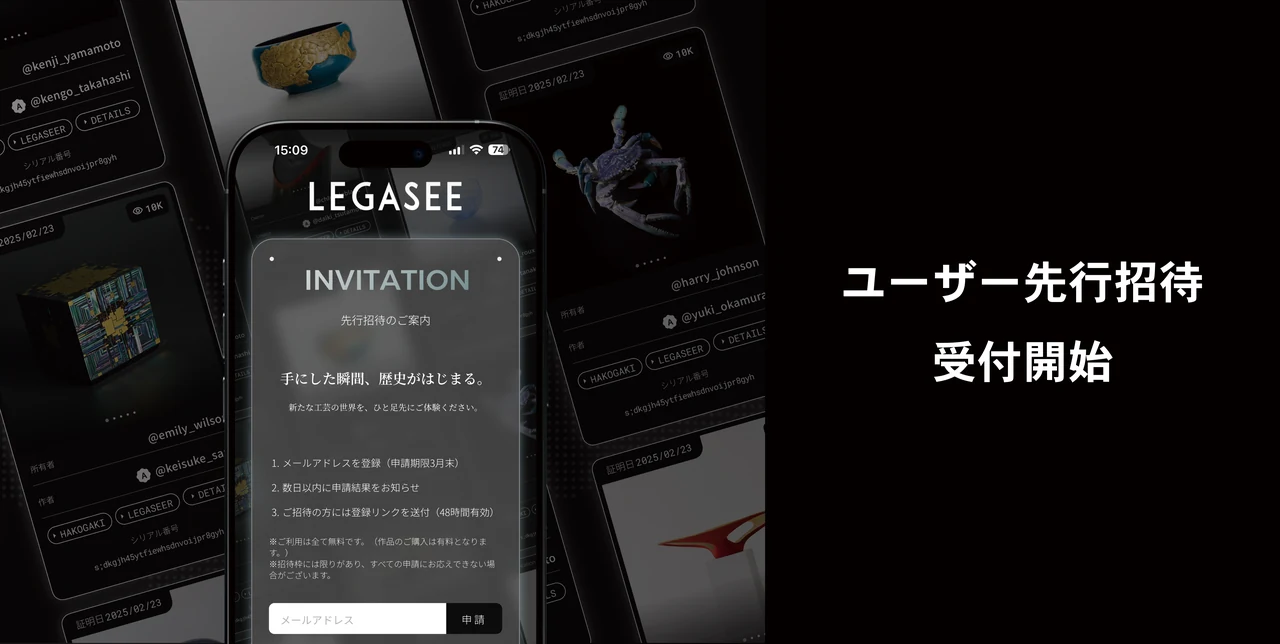
LEGASEE is an invitation-only marketplace.
We are currently accepting applications for early invitations until Tuesday, March 31, 2026.
Early invitation page:https://invitation.thelegasee.com
Early invitations are limited. Even if you apply before the deadline, we may be unable to offer an invitation depending on application volumes and other factors.
From Wednesday, April 1, 2026, only people invited by an existing LEGASEE user will be able to register. Applications for early invitations will close.
■ Other information: protecting privacy
LEGASEE offers an experience in which provenance grows through the HAKOGAKI digital certificate of authenticity.
Because blockchain records are difficult to alter and generally immutable, we take care in handling personal information to protect privacy.
We operate in accordance with applicable policies, including generally not recording directly identifying personal information on-chain.